1️⃣ELISA plates, also known as enzyme-linked immunosorbent assay (ELISA) plates, are widely used laboratory tools in biology, medicine, food testing, and related fields. They are primarily designed for the detection of antibodies, antigens, proteins, and other analytes in liquid samples. From disease diagnostics to food safety testing, ELISA plates play an indispensable role in modern analytical applications.
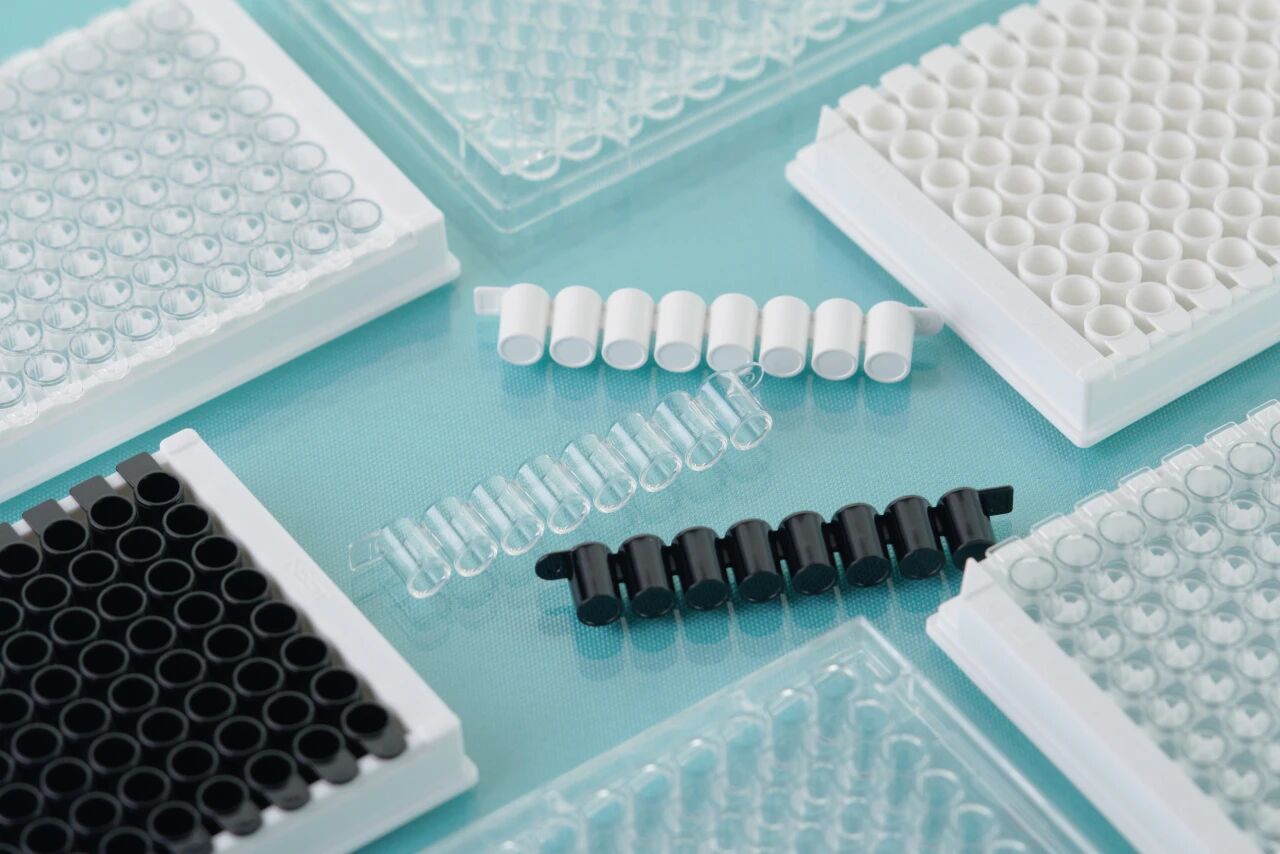
2️⃣Structure and Types of ELISA Plates
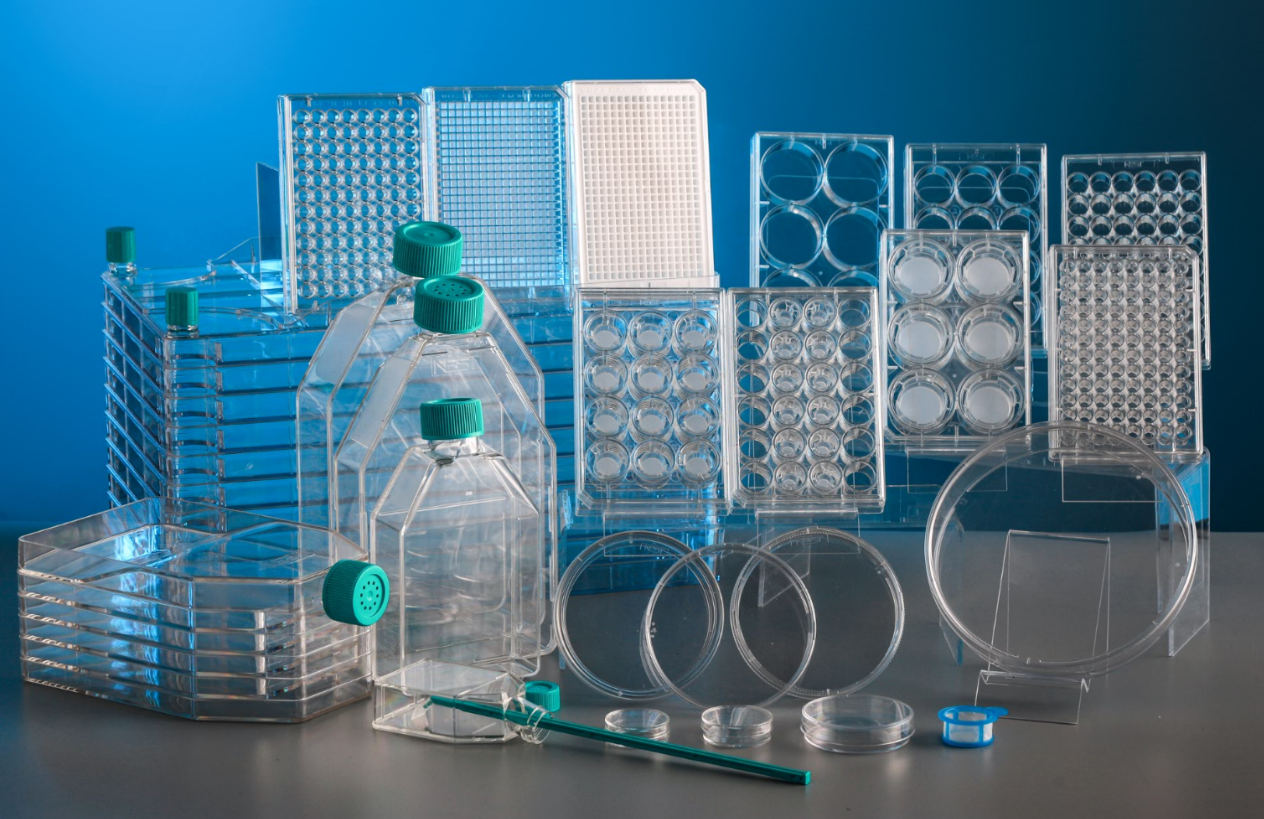
ELISA plates typically consist of 96 individual wells, with each well used for sample addition and detection. The most common format is the 96-well plate, while 384-well or higher-density formats are used for high-throughput applications. The wells are generally made of plastic, most commonly polystyrene, to ensure efficient adsorption and reliable interactions between samples and reagents.
3️⃣How to Choose the Right ELISA Plate
01 Depending on the detection method, ELISA plates are available in different colors. NEST currently offers clear, white, and black ELISA plates.
▶Clear plates: mainly used for absorbance (optical density) measurements
▶White plates: mainly used for chemiluminescence and colorimetric substrate detection
▶Black plates: mainly used for fluorescence detection
02 Detachable vs. Non-detachable Plates
4️⃣ How to Use ELISA Plates–Key Tips
- Sample Addition
- Mixing and Incubation
- Bubble and Contamination Prevention
- Plate Handling
- Washing
- Detection and Analysis
- Error Control